
The Purpose of Self-Grooming in Cats
Self-grooming is an intrinsic behavior in cats that serves several crucial purposes, significantly impacting their overall well-being. One of the primary reasons for this behavior is hygiene; cats utilize their tongues to effectively remove dirt, loose fur, and debris from their coats. The unique structure of a cat’s tongue, featuring tiny, hook-like structures known as papillae, enables them to clean their fur efficiently and maintain its integrity.
Beyond cleanliness, cat grooming is essential for skin health. Regular grooming helps to distribute natural oils throughout their fur, which acts as a protective barrier against environmental contaminants and promotes a healthy coat. This process also aids in regulating body temperature, as a well-groomed fur coat can provide insulation during colder months or allow for cooling in warmer temperatures.
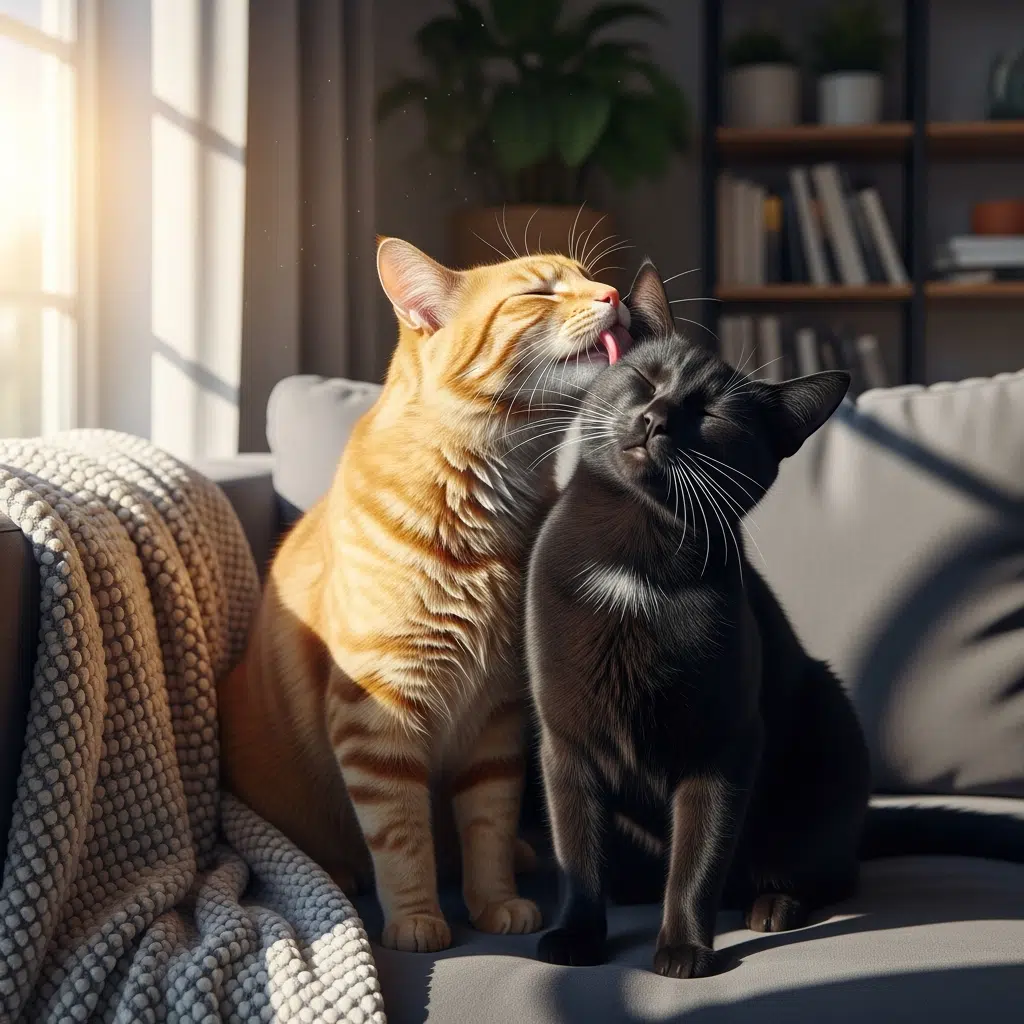
In addition to the physical benefits, grooming plays a vital role in a cat’s psychological well-being. The act of grooming can be a calming activity, reducing stress and anxiety levels. It is not uncommon to see a cat licking its paws or other body parts after a stressful event, as this serves as a self-soothing mechanism. Furthermore, grooming is a behavior observed in mother cats as they care for their kittens. This not only strengthens the bond between them but also teaches the young cats the importance of regular grooming as they grow.
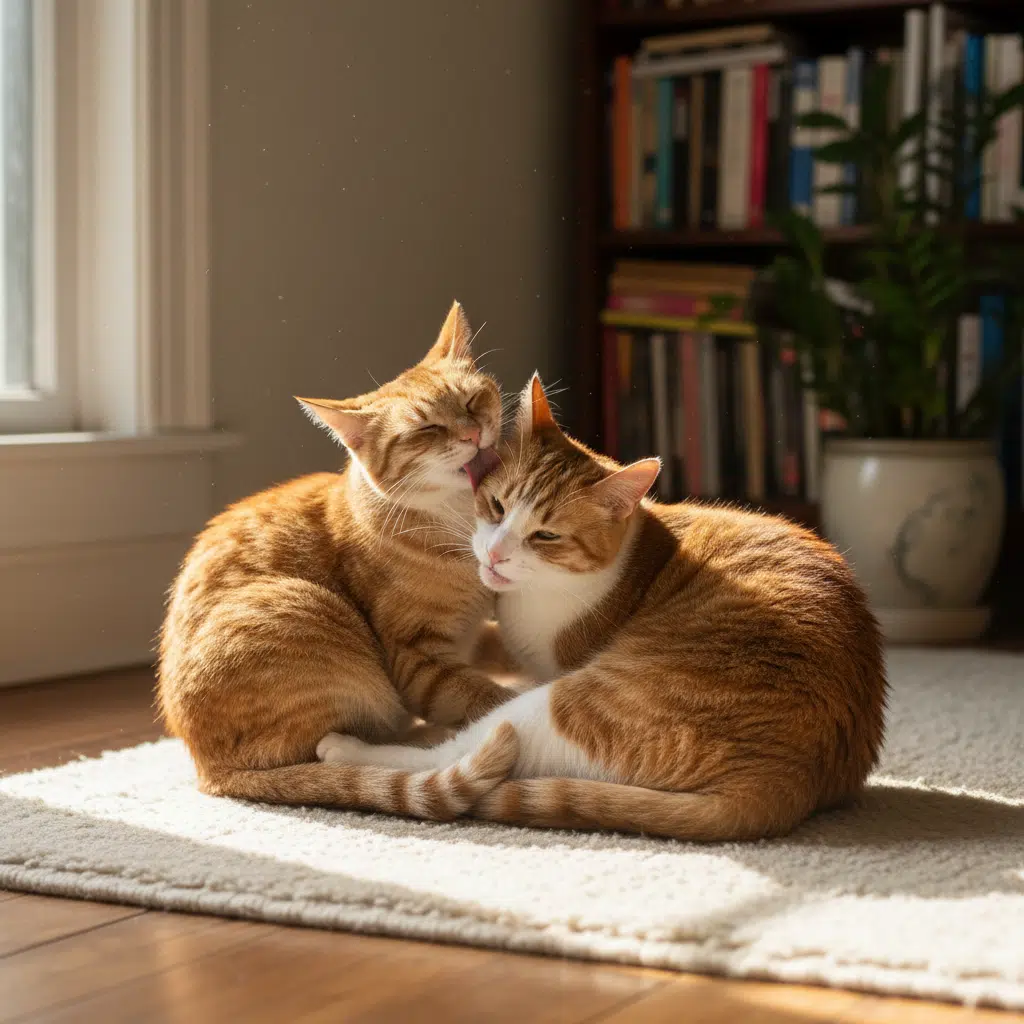
Moreover, grooming can serve social functions as well. When cats groom each other, known as allogrooming, it fosters social bonds, establishes hierarchies, and conveys affection among them. Thus, self-grooming is not merely a habitual action; it encompasses essential health benefits, emotional support, and social interactions that contribute positively to a cat’s life.
Methods of Grooming: How Cats Keep Themselves Clean
Cats are known for their meticulous grooming habits, which play a significant role in their overall hygiene and health. One of the primary tools they utilize for this essential maintenance is their tongue, which is uniquely designed for grooming. The surface of a cat’s tongue is covered with thousands of tiny, hook-like structures known as papillae. These papillae help to remove dirt, loose fur, and parasites, allowing cats to keep their fur clean and free from debris.
The frequency of grooming behaviors in cats can vary significantly between individuals, influenced by factors such as breed, age, and environmental conditions. Most cats engage in grooming multiple times a day, forming a routine that not only serves hygiene purposes but also offers comfort and relaxation. Kittens may initially rely on their mothers for grooming guidance, but they quickly develop their own styles and techniques. These grooming rituals play a vital role in strengthening the bond between feline mothers and their young.
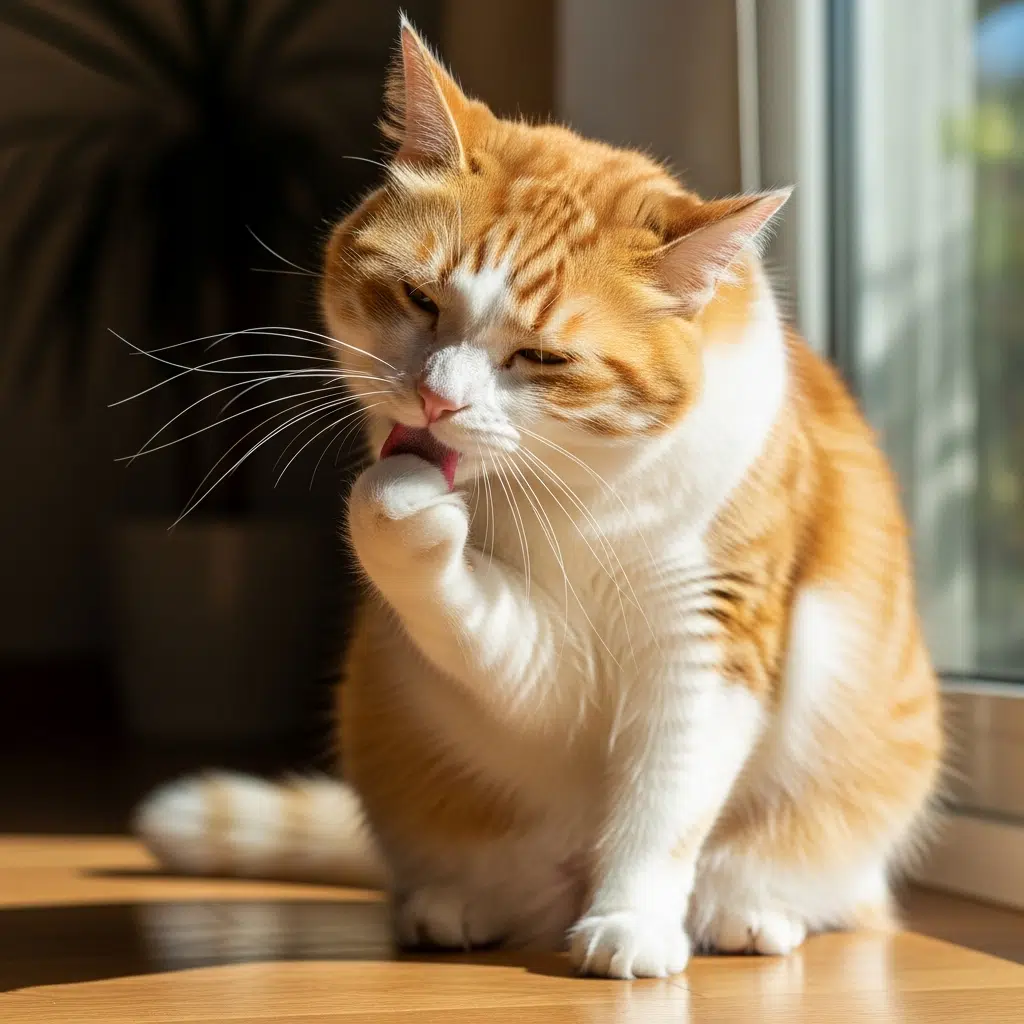
Cats exhibit different grooming methods based on the specific parts of their body. For instance, when grooming their face, they often use their front paws to wipe away debris, while their tongues are employed to clean the rest of their bodies. Additionally, cats may choose to focus on certain areas more than others, depending on their immediate needs and comfort levels. Environmental factors, such as the presence of other cats or the availability of cozy, protected resting spots, can also influence grooming patterns. Cats might groom excessively as a response to stress or anxiety, indicating the importance of a stable habitat.
In conclusion, cat grooming encompasses a variety of techniques that are integral to their self-care routines. Through natural instincts and specialized physical adaptations, cats effectively manage their hygiene and maintain their iconic fur, emphasizing the evolutionary advantages of their grooming behaviors.
Understanding Over-Grooming in Cats: Causes and Consequences
Over-grooming in cats is defined as excessive licking, scratching, or chewing at their fur, leading to hair loss and potential skin irritation. While grooming is a natural and routine behavior for cats, over-grooming can signify underlying issues that require attention. Understanding the causes behind this behavior is crucial for the well-being of your feline companion.
One of the primary causes of over-grooming is stress or anxiety. Cats are sensitive creatures, and changes in their environment, such as moving to a new home, the introduction of another pet, or even loud noises, can trigger excessive grooming behaviors. Additionally, emotional distress can lead to compulsive grooming habits, as cats may seek to comfort themselves through this repetitive action.
Medical conditions also play a significant role in over-grooming. Skin allergies, infections, and parasites, such as fleas, can irritate a cat’s skin, prompting them to lick or scratch continuously. In these scenarios, over-grooming serves as a response to alleviate discomfort. Therefore, if you observe your cat excessively grooming certain areas, it is essential to identify signs of irritation, such as bald patches, redness, or scabs, which could indicate an underlying health issue.
The consequences of over-grooming can be severe if left unaddressed. Prolonged excessive licking can lead to further skin damage and infections, potentially resulting in more serious health complications. It is imperative for cat owners to recognize and monitor their pets’ grooming habits closely. Should you notice any unusual behavior or physical symptoms, consulting a veterinarian promptly is advised. They can help determine the underlying cause and recommend appropriate treatment, ensuring the overall health and comfort of your cat.
Helping Your Cat Maintain Healthy Grooming Habits
Maintaining a healthy grooming routine for your cat is essential, not only for their appearance but also for their overall well-being. Here are several practical tips on how to assist your feline friend in developing positive grooming habits.
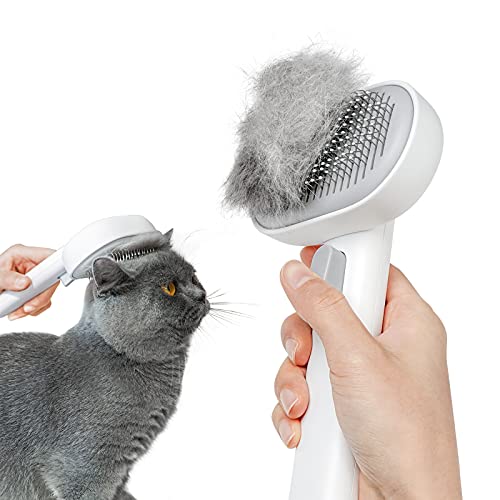
One of the first steps in cat grooming is to choose the appropriate brushing technique. Cats come in various coat types, including short, medium, and long-haired. For short-haired cats, a rubber scrubber or a soft-bristle brush works effectively to remove loose fur and debris. Long-haired cats require a more specialized approach, often benefiting from a wide-toothed comb to prevent matting and a slicker brush for thorough grooming. The goal is to make the grooming experience enjoyable rather than stressful.

Establishing a regular grooming routine is crucial. Aim to brush your cat at least once a week, if not more frequently, depending on their coat type. By incorporating grooming into your cat’s routine, it becomes a familiar and less intimidating process. Try to pick a time when your cat is relaxed, such as after a meal or during a quiet moment of the day.
Positive reinforcement plays a significant role in easing any anxiety your cat may have towards grooming. Offering treats, affection, or playtime after a successful grooming session can help create a positive association with the process. It is vital to be patient, especially if your cat shows signs of discomfort or agitation. Take breaks when necessary and gradually build up to longer grooming sessions.
For further information on cat grooming, consider consulting your vet or professional groomers who can provide additional resources and guidance. Online forums and articles can also offer valuable insights for pet owners looking to monitor their cat’s grooming behavior and ensure they are receiving the care they need.