
Table of Contents
Understanding Cat Hydration Needs
Cat hydration is an essential aspect of maintaining the overall health of cats. Unlike many other animals, felines have a unique physiology that influences their hydration needs. Cats are descendants of desert-dwelling ancestors, which has resulted in a low thirst drive as a natural adaptation. This characteristic means that cats often do not drink sufficient water unless prodded, subsequently making understanding their hydration needs even more critical.
One fundamental aspect of cat hydration is their reliance on moisture content in food. Cats that consume dry kibble may not receive adequate hydration, as dry food typically contains about 10% moisture, while wet food contains around 70%. The inclusion of wet food in a cat’s diet can significantly improve their overall fluid intake, therefore enhancing their cat hydration levels. Additionally, cats are often prone to certain health issues associated with inadequate cat hydration, including urinary tract problems and kidney disease. Regular hydration supports proper kidney function, flushes out toxins, and reduces the likelihood of urinary crystals forming, which can lead to painful blockages.
Furthermore, dehydration can have severe consequences for a cat’s health, potentially leading to lethargy, poor coat condition, and even organ failure in extreme cases. It is paramount that cat owners monitor their pets’ water intake and encourage regular drinking habits. This can be accomplished by providing fresh water daily, ensuring convenient access to water sources throughout the home, and incorporating wet food into their diets. Taking these proactive steps can greatly contribute to the well-being of cats and ensure they receive the necessary hydration for optimal health.
Signs of Dehydration in Cats
Recognizing the signs of dehydration in cats is crucial for maintaining their health and well-being. Cats, much like other pets, can show various symptoms when their hydration levels are compromised. One of the primary indicators is skin elasticity; you can perform a simple test by gently pulling the skin at the back of your cat’s neck. If the skin does not quickly return to its original position, this may signal dehydration. Observing your cat’s gums is another effective method; dry or sticky gums can suggest inadequate cat hydration, whereas healthy gums should appear moist and pink.
Behavioral changes also play a significant role in identifying dehydration in felines. A normally active cat may become lethargic or overly quiet, exhibiting decreased energy levels. Cats that are dehydrated might also appear less sociable or show signs of irritability. Additionally, changes in drinking habits can indicate hydration issues; for example, if your cat suddenly starts drinking less water than usual or refuses water altogether, this can be a warning sign.
Furthermore, keep an eye out for changes in urination patterns. A decrease in the frequency of urination or the presence of concentrated urine may suggest insufficient fluid intake. Cats are less likely to compensate for low water intake through drinking excess water, unlike some other animals. Thus, it’s essential to be vigilant and proactive in monitoring their hydration.
Understanding these signs of dehydration is essential for cat owners. By being observant and acting promptly when these symptoms arise, you can significantly improve your cat’s hydration levels and overall health.
Encouraging Your Cat to Drink More Water
Ensuring that your cat remains adequately hydrated is vital for their overall health. However, many cats are reluctant to drink enough water. To encourage your feline friend to increase their water intake, consider several practical strategies for good cat hydration.
One effective method is to invest in a cat water fountain. Cats are often instinctively attracted to running water, associating it with freshness and quality. A water fountain not only provides a constant source of flowing water but also encourages playful behavior. The movement captivates their attention, making drinking more appealing.

Another approach is to elevate your cat’s food hydration by adding water to their dry kibble. Incorporating a small amount of water can enhance the flavor and texture of the food, prompting your cat to consume more moisture. This technique is especially beneficial for cats who are exclusively on dry food, as it can dramatically increase their fluid intake.
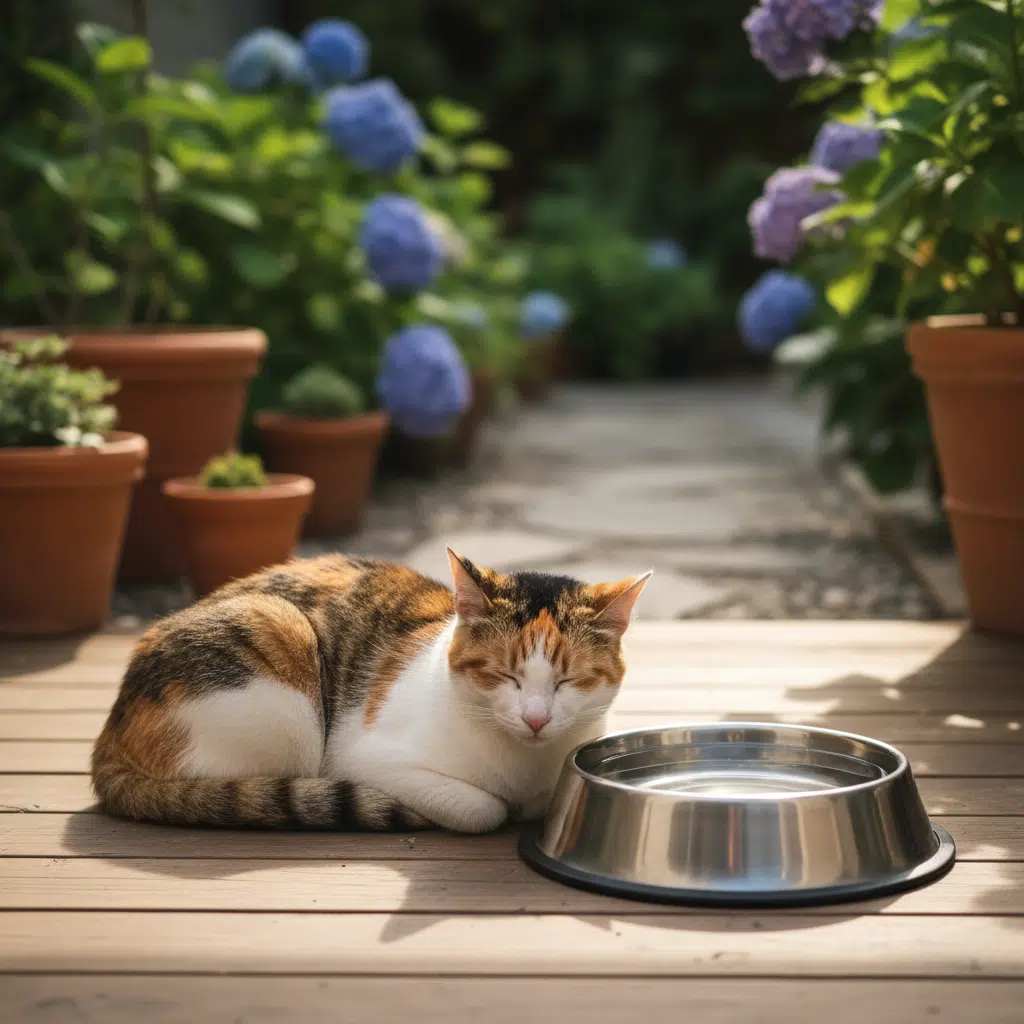
Providing various sources of water around the home is also an effective way to promote cat hydration. Place multiple bowls in different locations, ensuring they are easily accessible. Cats can be particular about their water sources; hence, the materials of the bowl matter. Offer bowls made of stainless steel, ceramic, or glass, as these materials can be more appealing than plastic.
Lastly, creating a positive drinking environment is crucial. Ensure that the water bowls are kept clean and filled with fresh water daily. Cats can be sensitive to odors and stale water, which can discourage them from drinking. Consider placing food and water bowls apart to avoid any territorial behaviors that might inhibit drinking.
Through these practical strategies, you can significantly encourage your cat to drink more water, ensuring they stay hydrated and healthy.
Why Cats Prefer Flowing Water
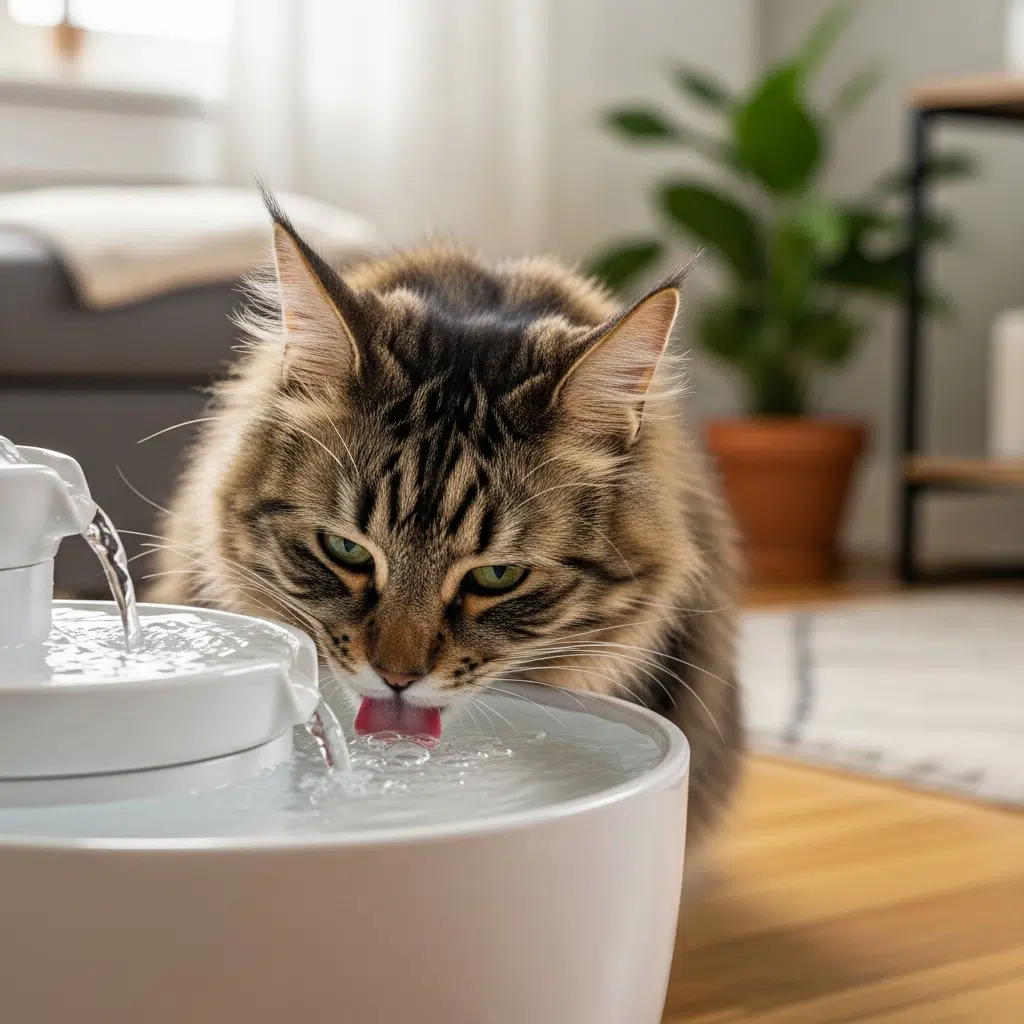
Many cat owners have observed that their feline companions often show a distinct preference for drinking flowing water rather than stagnant water. This behavior can be attributed to several natural instincts and evolutionary adaptations. In the wild, cats instinctively tend to seek out fresh, flowing water sources, which are typically associated with cleanliness and lower chances of contamination compared to still water pools. This innate preference for running water is rooted in their survival instincts, as flowing water is less likely to harbor harmful bacteria or parasites that could threaten their health.
Another factor that enhances the appeal of flowing water is its freshness. Unlike stagnant water, which can become tepid and stale, flowing water maintains a cooler temperature and is often aerated, both of which contribute to its refreshing qualities. Moreover, the movement of water can also pique a cat’s curiosity and trigger their playfulness, making the drinking experience more engaging and enjoyable.

To cater to this natural inclination, many pet owners have turned to water fountains designed specifically for cats. These devices mimic the characteristics of flowing water, allowing continuous circulation that keeps the water clean and fresh. The variety of styles available on the market ranges from simple bubbling fountains to more sophisticated models with multiple streams of water. It is recommended for cat owners to select a fountain that is easy to clean and maintain, as hygiene is crucial for ensuring healthy cat hydration.
Notably, some fountains are equipped with filters that further enhance water quality, making them an excellent choice for promoting optimal cat hydration. Ultimately, by understanding and catering to their preferences, cat owners can encourage their pets to drink more water, ensuring adequate hydration and overall health.